The Transformation from Historical Figure to Mythical Character
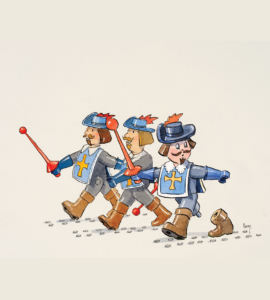
Unlike other units of the King’s guard the Musketeers and d’Artagnan have left an indelible mark on French culture, where they have transcended their original political and military roles to become mythical heroes of literature and cinema. This transformation was based largely on historical elements that Alexandre Dumas and Auguste Maquet skillfully dramatized in their novels.
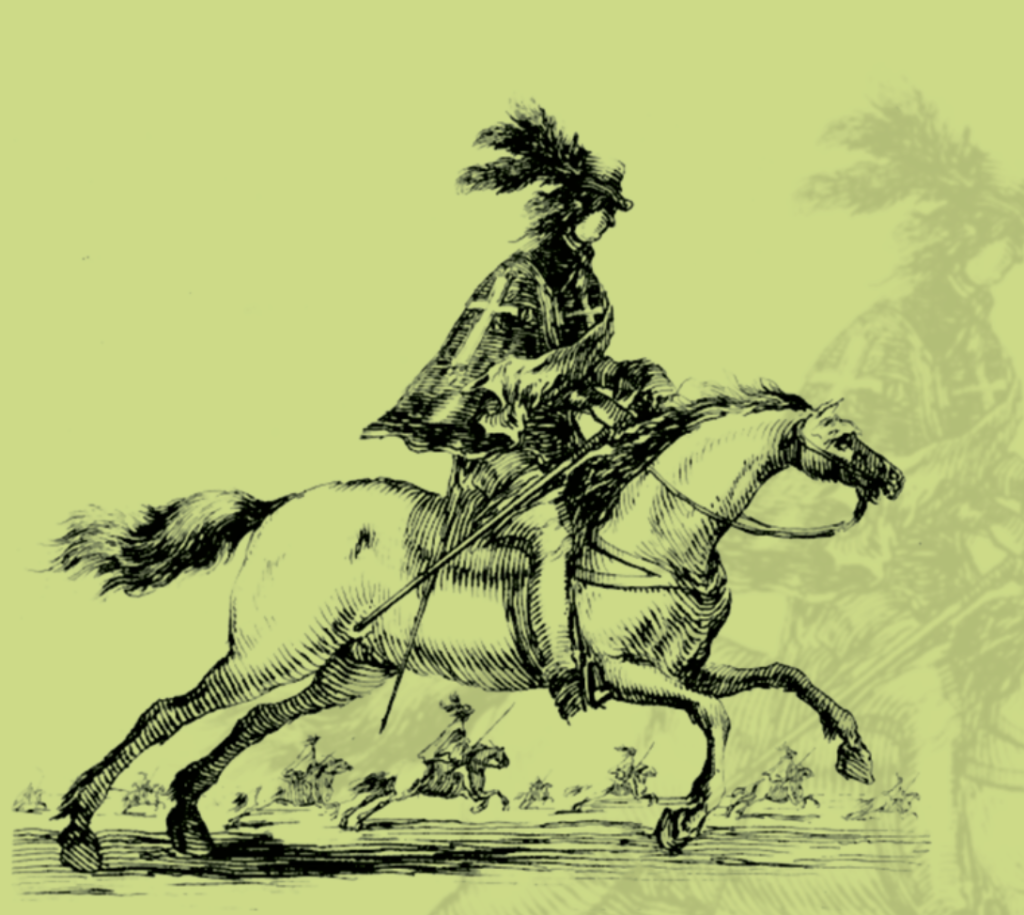
The chivalric values upheld on the battlefield by the Musketeers during their lifetime contributed greatly to their reputation as formidable soldiers. This ideal of chivalry—characterized by fearlessness in the face of death, a quest for personal glory and combat with sword in hand—explains why many young gentlemen were eager to join their ranks, where the Musketeers were seen as guardians of noble military traditions.
D’Artagnan was originally just one Musketeer among many, but he distinguished himself by his loyalty to Louis XIV. These noble values gradually spread and became democratized with the revolutionary ideals, eventually coming to define the French spirit itself—blending bravery, camaraderie, esprit de corps and service to the state. When the Musketeers were reestablished in 1814 young men from all social classes rushed to join. In a society shaped by romanticism and nostalgia, they all dreamed of living the exploits of these French knights. The Musketeers were already stepping into legend.
Though definitively disbanded in 1815, the Musketeers continued to symbolize a glorious chapter of France’s past, especially within the emerging national narrative orchestrated by Louis-Philippe. At his Musée de l’Histoire de France in Versailles, the Musketeers visually represented French victories at Valenciennes and Fontenoy. When Dumas and Maquet published The Three Musketeers in 1844, the “real” Musketeers were no longer unknown figures, but the novelists still had to find a hero. It was then that the values embodied by the Musketeers were crystallized and personified in a fictional d’Artagnan, greatly inspired by the real d’Artagnan and other historical figures of his era.
In 1844 the Musketeers entered fully the realm of legend. Many decades later it would be the cinema that would play a major role in immortalizing them. The chivalric values they represented, visually symbolized by their distinctive uniform, lie at the heart of the literary myth’s success—one that remains deeply rooted in historical fact.